Commercial Barrel Aging
Corn Whiskey
America’s Original Grain Spirit Explained
January 3rd, 2026

Corn whiskey is one of the oldest and most misunderstood styles of American whiskey. Often confused with moonshine or dismissed as a rough, unfinished spirit, corn whiskey actually occupies a distinct and legally defined place in U.S. whiskey history. From its grain-forward sweetness to its unique aging rules, corn whiskey tells a story that predates bourbon itself.
What Is Corn Whiskey?
Corn whiskey is an American whiskey made from a mash bill consisting of at least 80% corn. While some people assume corn whiskey must be made from 100% corn, U.S. law allows distillers to include other grains, most commonly rye for spice and malted barley for fermentation enzymes.
Legally, corn whiskey must be:
Made from a mash of no less than 80% corn
Distilled to no more than 160 proof (80% ABV)
Entered into a barrel at no more than 125 proof (62.5% ABV)
Unlike moonshine, corn whiskey is fully regulated, taxed, and produced under federal alcohol identity standards.

Corn Whiskey vs. Bourbon:
What’s the Difference?
Corn whiskey and bourbon share more DNA than most people realize. In fact, many bourbon mash bills exceed 70% corn. The key difference comes down to barrel requirements.
Bourbon:
Must be aged in new, charred American oak barrels
Requires at least 51% corn
Develops strong vanilla, caramel, and oak-driven flavors from new charred wood
Corn whiskey:
Must be aged in used barrels or new uncharred oak, if aged at all
Is not required to be aged
If aged in new charred oak, it would legally become bourbon
Because of these rules, corn whiskey typically showcases more grain-forward flavors rather than heavy oak influence.


Aging (or Not Aging) Corn Whiskey
One of the most distinctive aspects of corn whiskey is that barrel aging is optional. When aging does occur, it is usually brief (often six months or less) and done in used or uncharred barrels. This allows the spirit to mellow without overwhelming the natural corn sweetness.
There is also a recognized category known as straight corn whiskey, which must be aged for at least two years in used or uncharred oak. If aged four years or more and produced under additional regulations, it may qualify as bottled-in-bond.
Because used barrels have already given up much of their char and oak compounds, they exert a lighter influence on the whiskey, preserving the spirit’s grain character.
Why Distilleries Make Corn Whiskey
Corn whiskey exists largely because it makes economic sense. New charred oak barrels are one of the most expensive components in whiskey production, often costing hundreds of dollars each. By using previously filled barrels, or skipping aging altogether, distilleries can significantly reduce production costs.
This is why corn whiskey is often:
More affordable than bourbon
Bottled with minimal packaging
Positioned as a value-driven or heritage product
Large producers like Heaven Hill and MGP Ingredients produce corn whiskey alongside bourbon, while many smaller craft distilleries use corn whiskey as a way to generate revenue while their longer-aged products mature.

What Does Corn Whiskey Taste Like?
Corn whiskey’s flavor profile leans heavily into its primary grain. Without the strong filtering effect of new charred oak, the spirit tends to be:
Sweet and grain-forward
Reminiscent of cornbread, candy corn, or sweet corn
Lightly spiced if rye is present
Subtly vanilla-like, even without heavy oak influence
The lack of new barrel aging means fewer caramelized sugars and less smoke, allowing the base distillate to shine.

Corn Whiskey’s Cultural Reputation
Historically, corn whiskey was never intended to be refined or prestigious. It was designed as an inexpensive, accessible spirit for everyday drinkers. While a niche group of enthusiasts has embraced it as a cult favorite, corn whiskey remains more about tradition and curiosity than long-term aging or collectability.
That simplicity, however, is exactly what makes corn whiskey interesting, it offers a rare look at whiskey in its most honest form.
Let’s Talk Barrels
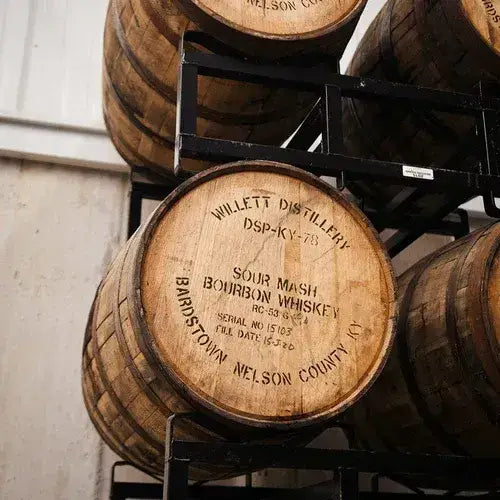
Corn whiskey is not unfinished bourbon, nor is it moonshine under a different name. It is a legally defined American whiskey with its own production standards and aging traditions. Since corn whiskey is typically matured in used barrels, those barrels carry subtle sweetness, restrained oak, and a well-seasoned interior. Qualities that make used corn whiskey barrels especially versatile for secondary aging, finishing programs, and creative barrel applications.
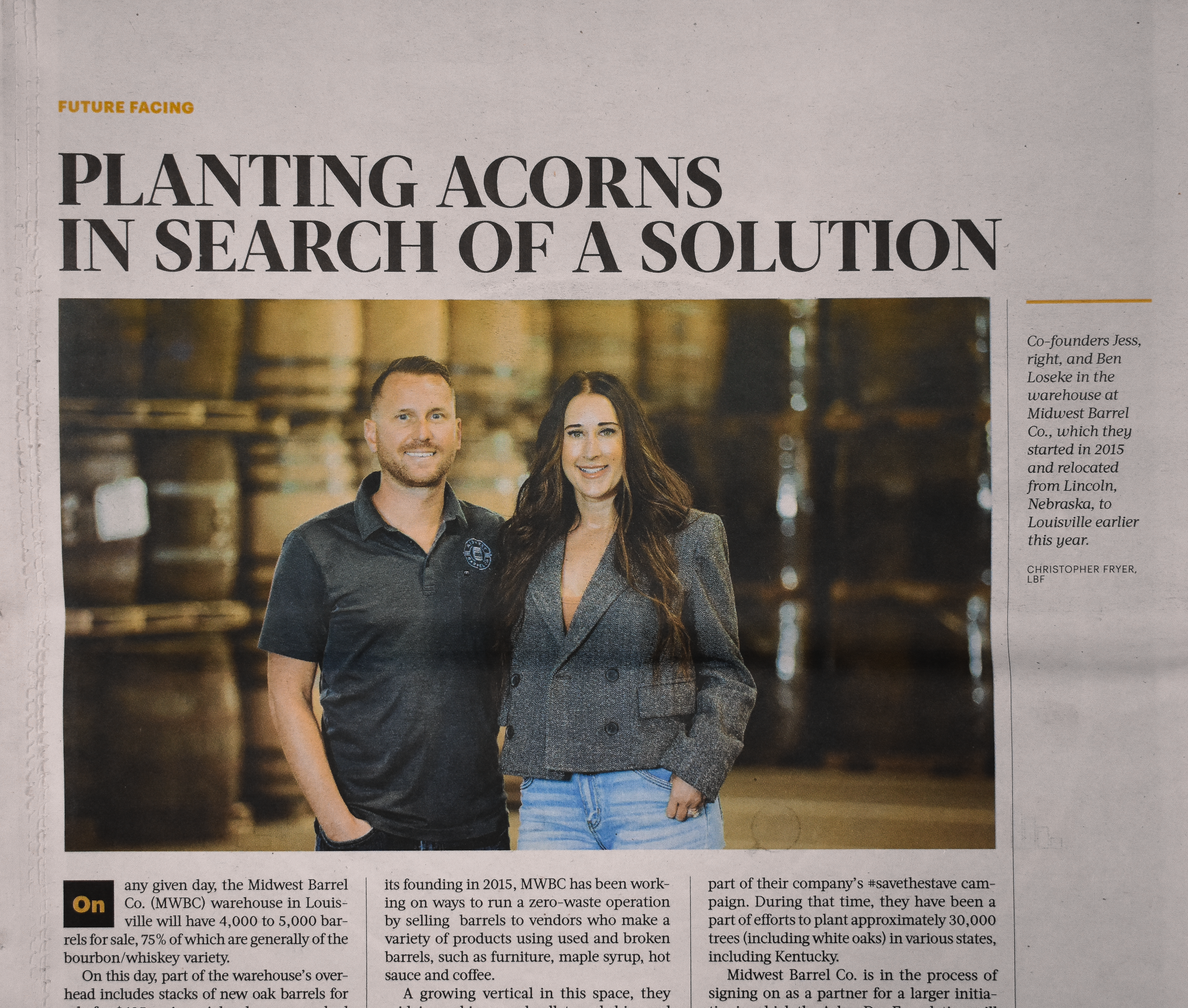
If you have more questions, or if you’re ready to talk barrels, reach out! Midwest Barrel Co. is here to make the barrel-buying process easy and educational, with a little bit of fun along the way. Let’s keep your barrel-aging journey moving forward!


References
Alcohol and Tobacco Tax and Trade Bureau. (2023). Alcohol beverage regulations: Distilled spirits standards of identity. U.S. Department of the Treasury. https://www.ecfr.gov
Bourbon Culture. (2023). Corn whiskey, explained. https://bourbonculture.com
Grain & Vine. (2026). Corn American whiskey. https://www.grainandvine.com
Whisky Advocate. (2026). Corn whiskey. https://www.whiskyadvocate.com
Wikipedia contributors. (2025). Corn whiskey. Wikipedia. https://en.wikipedia.org

ABOUT THE AUTHOR: