Commercial Barrel Aging
Small Format Barrels
Versus Standard barrels
January 27th, 2026
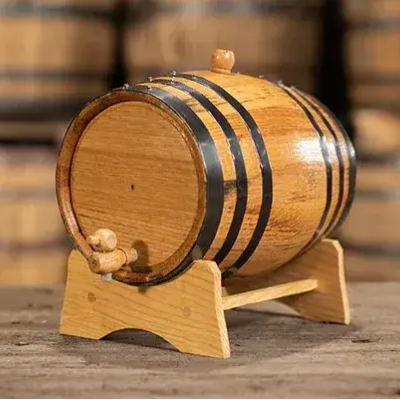
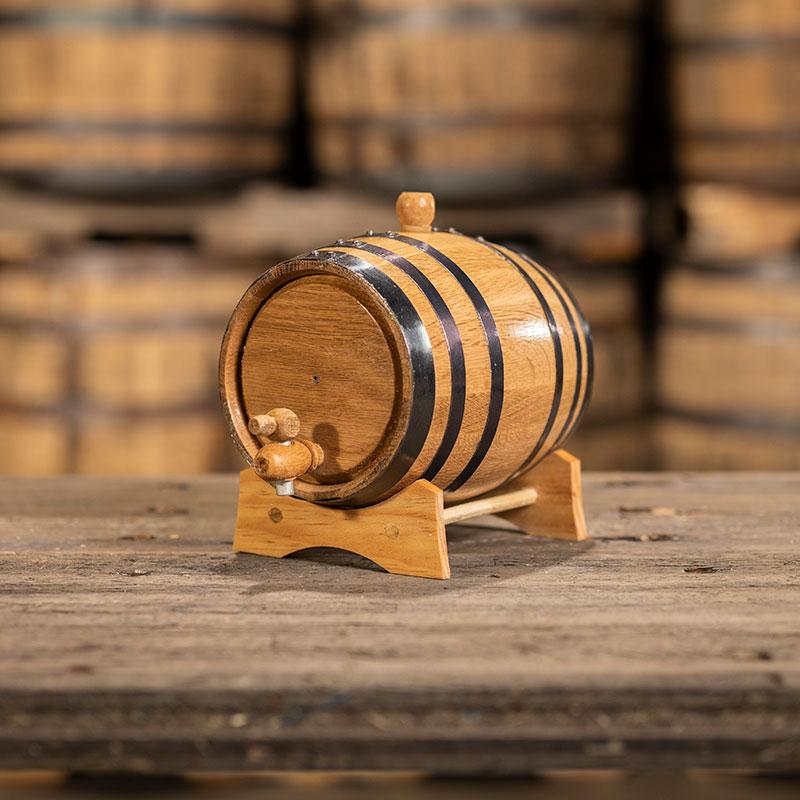
Small format barrels are simply smaller barrels used to age spirits, beer, wine or cider. They come in popular sizes like 5 gallon, 10 gallon, 15 gallon and 30 gallon and are made from authentic American oak just like traditional 53 gallon barrels you see in distilleries and breweries.

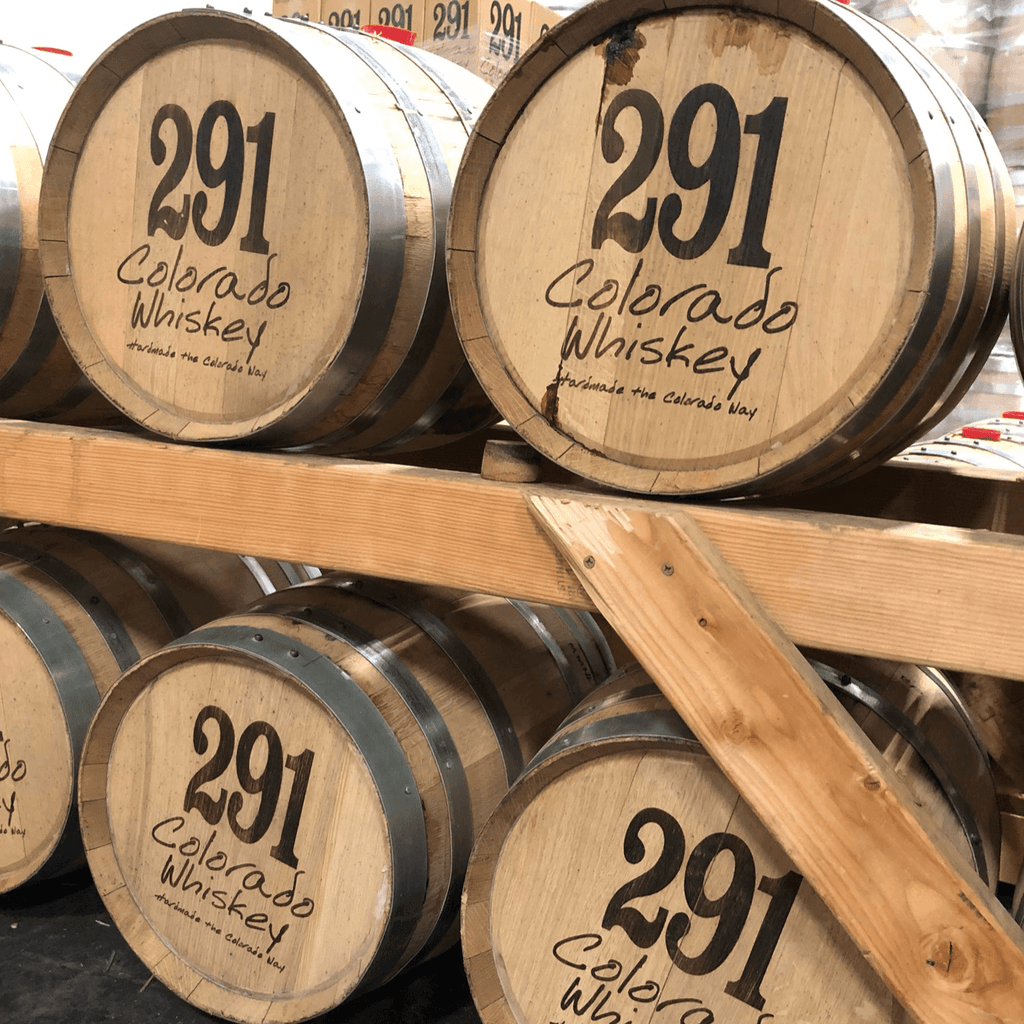
Standard barrels are full size barrels used in commercial aging of whiskey and bourbon and produce smooth, balanced profiles over long aging periods. Small format barrels offer a different aging experience and are often used for experimentation, small batches and limited releases.
Why Small Format Barrels Age Faster
Small format barrels age products faster because of how much oak surface area touches the liquid compared to the amount of liquid inside.
Higher Oak Contact
Smaller barrels have more oak surface area per gallon of liquid. That means more flavor compounds like vanillin, lactones and tannin are extracted more quickly.
Faster Oxygen Interaction
All wooden barrels allow small amounts of oxygen to interact with the liquid. In smaller barrels that oxygen exposure per gallon is higher. This speeds up the reactions that create complexity in age related flavor.
Because of both increased wood contact and increased oxygen exchange, small format barrels often show oak character and color much faster than larger barrels.

What Small Format Barrel Aging Does to Flavor
Small format barrels can develop bold flavor quickly. Many brewers, distillers and home aging enthusiasts use them to add oak character in a shorter period.
Key impacts
Oak flavor and aroma develop quickly
Color transfer from wood happens fast
Spice, vanilla and caramel notes are more pronounced earlier
Higher risk of over oak if not monitored
Small barrels are used for rapid experimentation and finishing scenarios where full scale aging may be too slow or too broad in scope.

Size Breakdown and Typical Uses
Below are common small barrel sizes and how makers use them.
5 Gallon Barrels

Best for
Testing new recipes
Small pilot batches
Highly concentrated oak influence
Use note
These barrels interact with wood very quickly and require frequent tasting to avoid over oak.
10 Gallon Barrels

Best for
Small-batch distilling
Barrel aging beer or cider
Finishing spirit projects
Use note
10 gallon barrels offer strong oak but slightly more control than 5 gallon barrels. Perfect for craft brewers and new distillers.
15 Gallon Barrels

Best for
Commercial small batches
Limited edition releases
Longer barrel aging without too much extraction
Use note
15 gallon barrels are more forgiving and allow for a richer barrel aging profile with fewer risks of overtannin.
30 Gallon Barrels
Best for
Smaller commercial products
Extended aging with moderated oak
Transitional step between small and standard barrels
Use note
30 gallon barrels act as a middle ground offering oak influence that is strong but closer to traditional barrel aging pace.
Choosing Between Small Format and Standard Barrels
Small format barrels are great for rapid learning, special edition products or limited batch aging where speed and oak influence matter. Standard 53 gallon barrels are best when you want slow, balanced aging that yields more integrated and subtle profiles over years rather than months.

Faster Turnaround and Quicker ROI
Another advantage of using small format barrels is the potential for quicker return on investment. Because products mature more rapidly in smaller barrels, they can be released sooner, generating revenue while larger format barrels continue aging. Some brewers and distillers choose to fill both small format and standard 53 gallon barrels with the same base beer or spirit. The small format batch can be released earlier to help recoup some of the time, storage space, and capital tied up in barrel aging, while the larger barrels are allowed to develop over a longer timeline. This approach can help offset the extended aging period required for 53 gallon and larger barrels.
Final Tips for Success
Sample early and often
Because extraction happens quickly in small barrels you should taste regularly to keep flavors balanced.
Choose a toast level that fits your flavor goal
Lighter toast gives subtler oak flavors while heavier toast offers deeper caramel and spice notes.
Plan your timeline
Know the typical pace of aging in smaller barrels to avoid unexpected results.
If you have more questions, or if you’re ready to talk barrels, reach out! Midwest Barrel Co. is here to make the barrel-buying process easy and educational, with a little bit of fun along the way. Let’s keep your barrel-aging journey moving forward!


ABOUT THE AUTHOR: